Hardline vs Soft Tube: Which Cooling Style Fits Your Build?
Hardline or soft tubing? Compare aesthetics, maintenance, durability, installation difficulty, and performance to choose the best custom water cooling style for your next high-end PC.

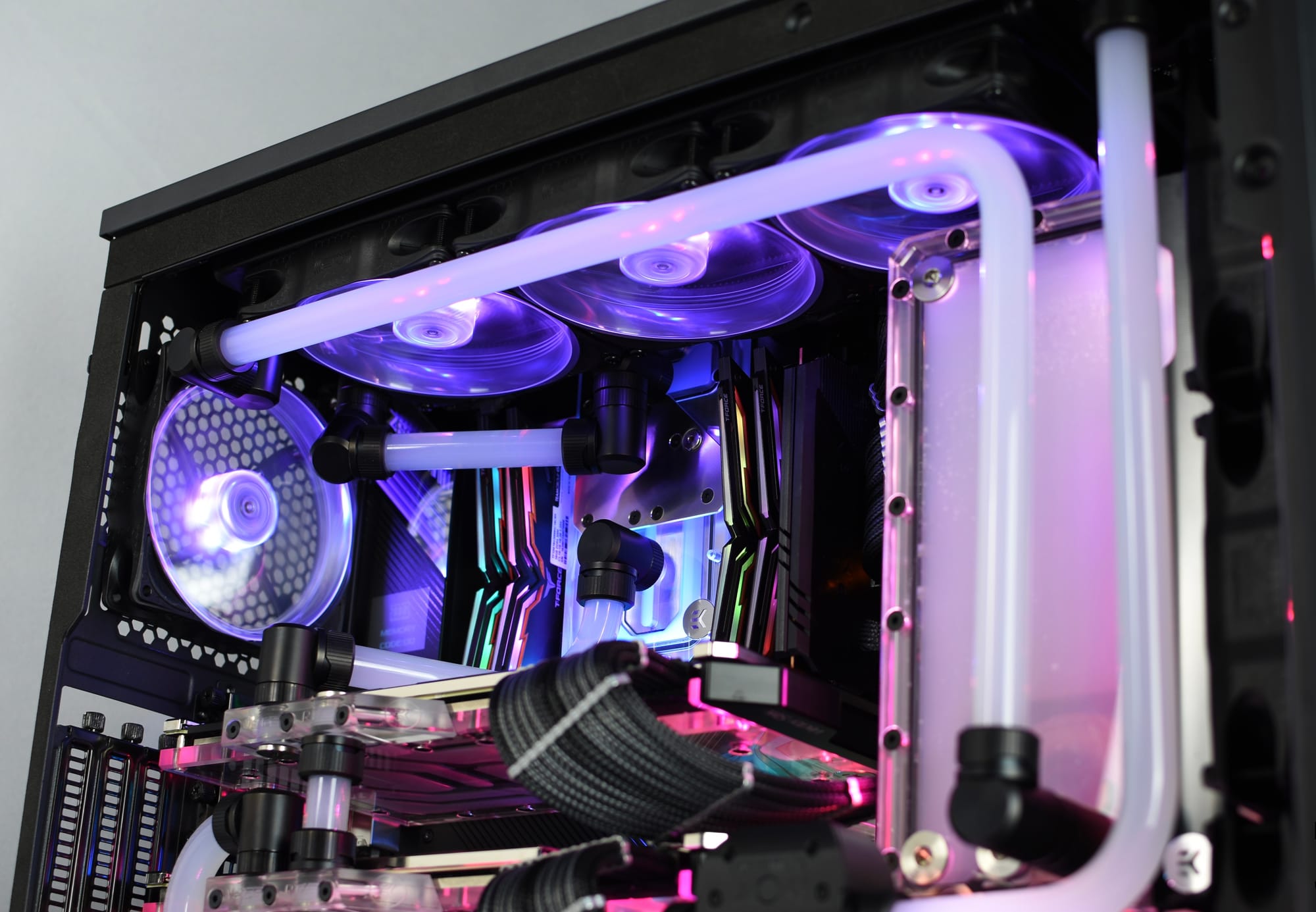
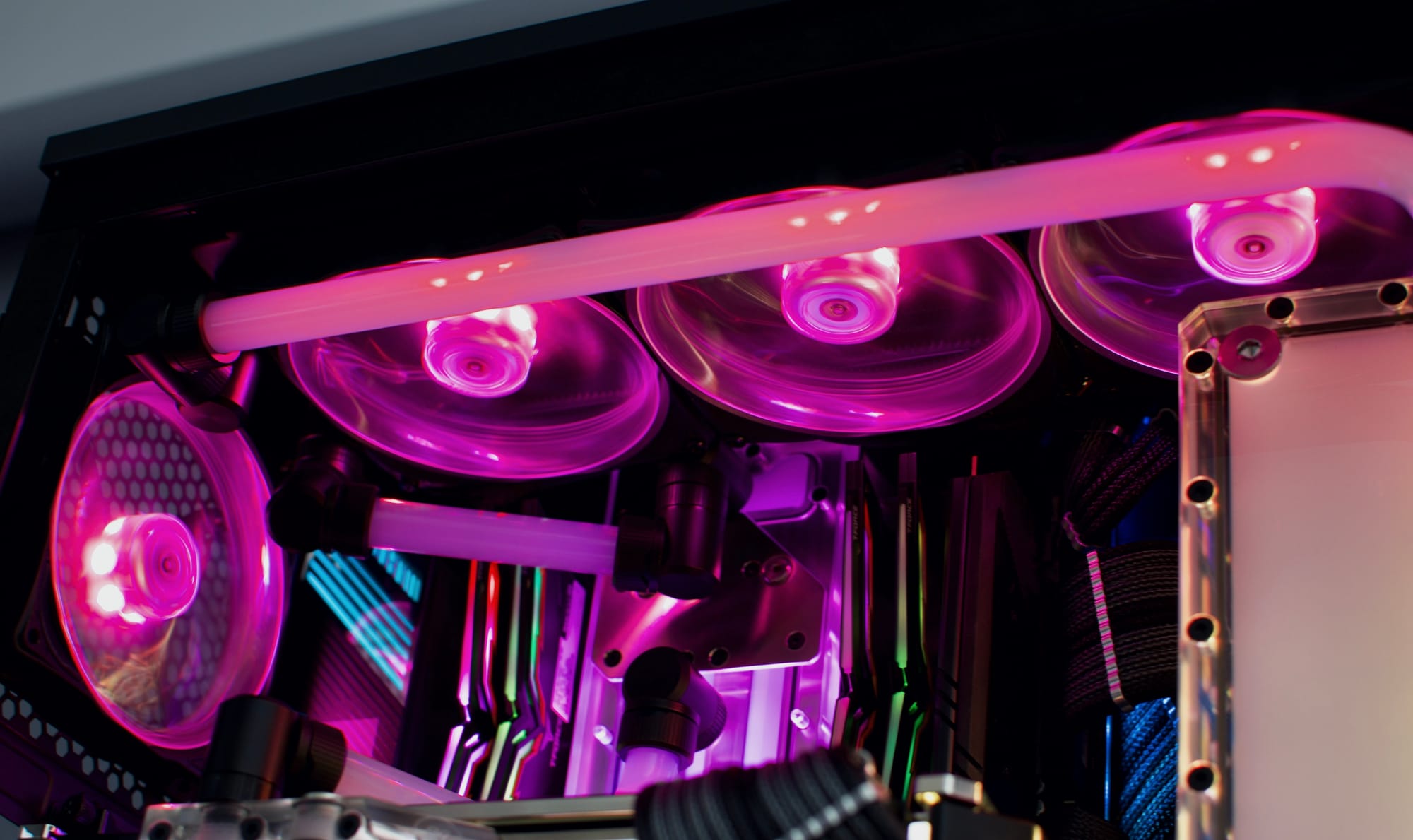
Thinking about custom water cooling but don’t know which tubing style is right for you?
One of the first choices you’ll face is whether to go with hardline tubing or soft tubing. Both can deliver excellent cooling performance, but they create very different builds in terms of looks, maintenance, installation, and long-term practicality.
Below, we break down the real-world differences to help you choose the best option for your next high-end system.
1. Aesthetics: Clean Showcase vs Functional Performance
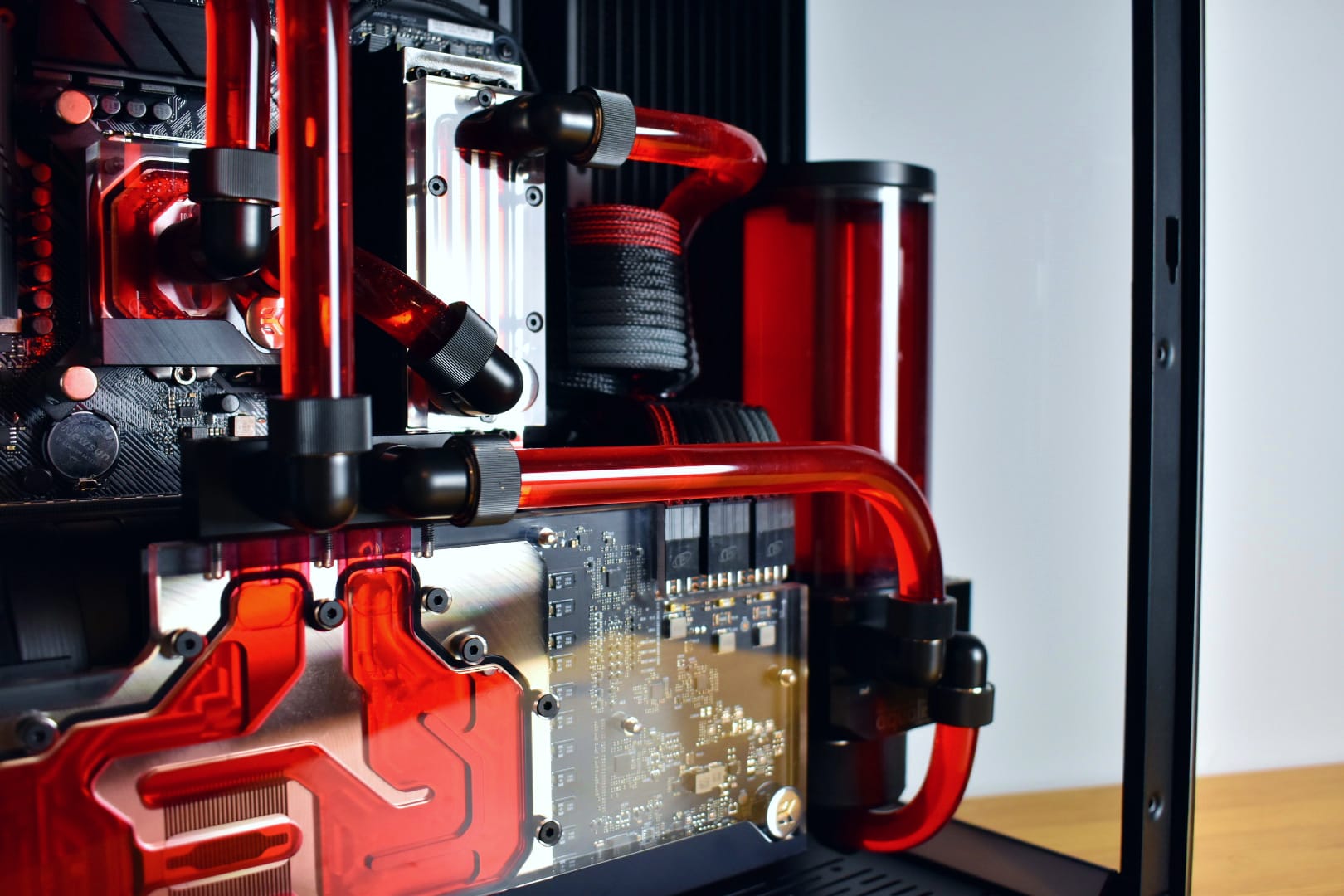
Hardline tubing is the go-to choice for showpiece builds. Straight runs, precise bends, polished fittings, and crystal-clear coolant paths give the system a premium, architectural look. In high-end builds, hard tubing often becomes part of the visual identity of the PC.
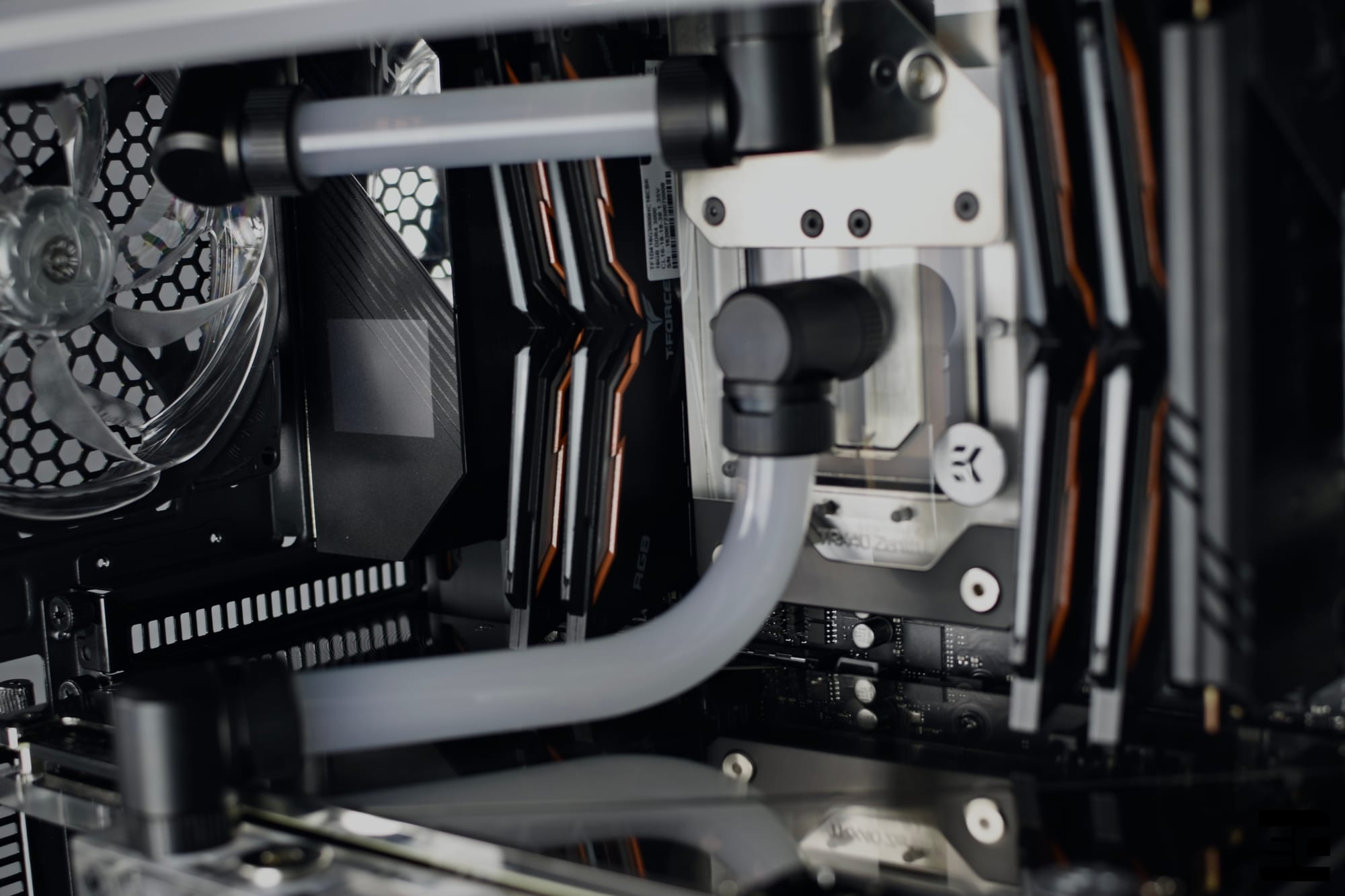
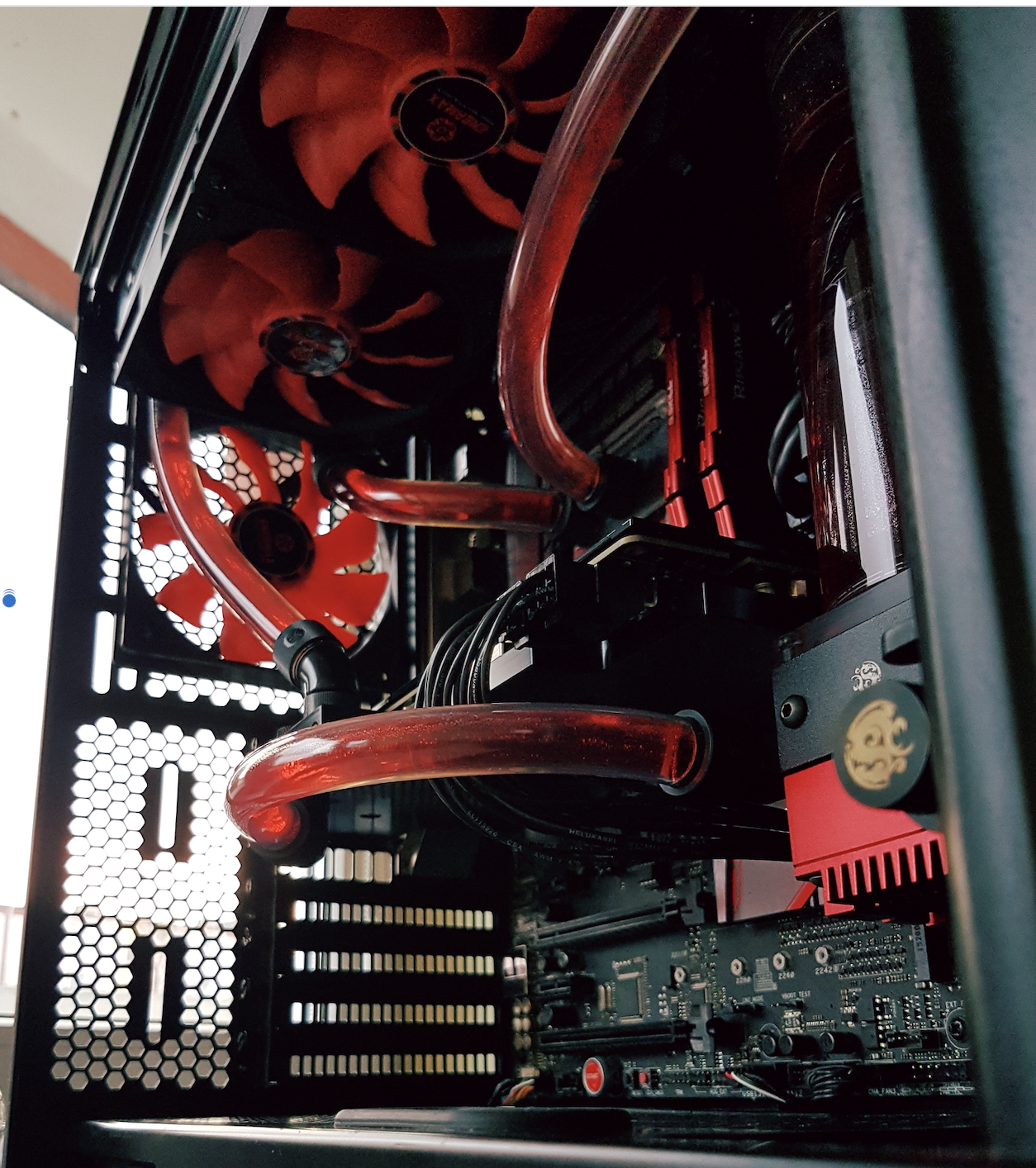
Soft tubing has a different appeal. It looks more technical and functional, with flexible tube routing that feels closer to enthusiast performance hardware. It may not have the same “display build” sharpness as hardline, but with the right layout, fittings, and coolant, it can still look extremely clean.
2. Installation Difficulty: Precision vs Flexibility
Hardline tubing requires more planning and precision. Tubes need to be measured, cut, heated, bent, deburred, and test-fitted. Even small mistakes can mean redoing a run. The final result can be stunning, but the process takes time and experience.
Soft tubing is much more forgiving. It bends naturally, adapts to tighter spaces, and makes it easier to connect components without perfect alignment. This makes it a strong choice for first-time custom loop owners or systems that may be upgraded often.
3. Maintenance: Easy Access vs Clean Presentation
Soft tubing makes maintenance easier. Draining, replacing parts, upgrading hardware, or rerouting the loop is usually simpler because the tubing can flex and move slightly during disassembly.
Hardline tubing is more rigid, so maintenance requires more care. Removing a GPU or changing a block may mean removing several tube runs. For builds designed as long-term showcase systems, this is not a problem, but it is less convenient for frequent hardware changes.
4. Durability: Rigid Structure vs Flexible Practicality
Both tubing styles can be very reliable when installed correctly with quality fittings. Hardline tubing holds its shape perfectly and creates a very solid structure inside the case. However, it is less tolerant of stress, misalignment, or movement.
Soft tubing handles movement better. It can absorb small shifts during transport, maintenance, or thermal expansion. Over time, some soft tubes may discolor or cloud depending on material, coolant, and operating conditions, but replacement is straightforward.
5. Thermal Performance: Is One Cooler Than the Other?
In real-world use, tubing type has little to no meaningful impact on cooling performance. Your temperatures depend far more on radiator capacity, fans, water blocks, pump performance, coolant flow, and case airflow.
A well-designed soft tube loop can cool just as effectively as a hardline loop. The difference is mainly visual and practical, not thermal.
Which One Should You Choose?
Choose hardline tubing if you want a premium showcase PC with clean geometry, sharp tube runs, and maximum visual impact. It is the better option for luxury builds where aesthetics are a major priority.
Choose soft tubing if you want easier maintenance, more upgrade flexibility, and a practical custom loop that still delivers high-end cooling performance.
At LiqquidLabs, we build both styles depending on the client’s priorities. Some systems are designed to be visual centerpieces. Others are built for serviceability, upgrades, and long-term performance. The best tubing style is the one that fits how you want to use your machine.
Final Verdict
Hardline is about precision, presentation, and premium aesthetics.
Soft tubing is about flexibility, practicality, and easier ownership.
Both can power an elite custom water-cooled PC. The right choice depends on whether your dream build is a showpiece, a performance workstation, or something in between.