Why Coolant Choice Matters in Custom Water Loops
Coolant choice in a custom water loop affects more than just looks - it impacts temperatures, longevity, and maintenance. Learn the differences between distilled water, premix coolants, and additives, with insights from real LiqquidLabs builds.

Introduction
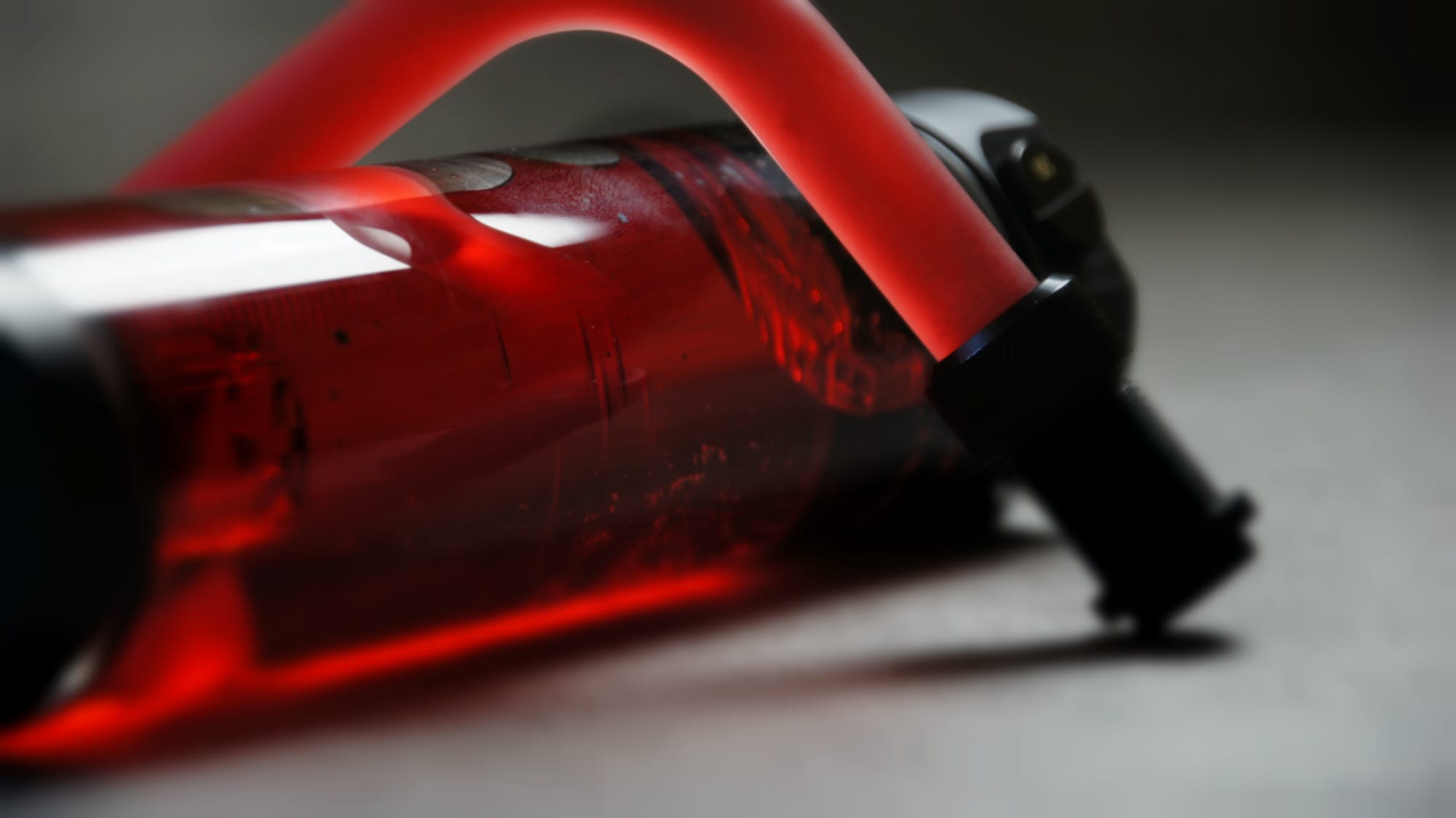
Coolant choice isn’t just about color - it shapes the entire environment inside your loop: how efficiently heat moves, how well metals and plating are protected, whether algae/biofilm can form, and how often the system needs service. LiqquidLabs’ real-world maintenance guidance (annual coolant service, periodic block cleaning) makes a key point: the “best” coolant is the one that keeps performance stable and keeps maintenance predictable for the build’s purpose.
Introduction
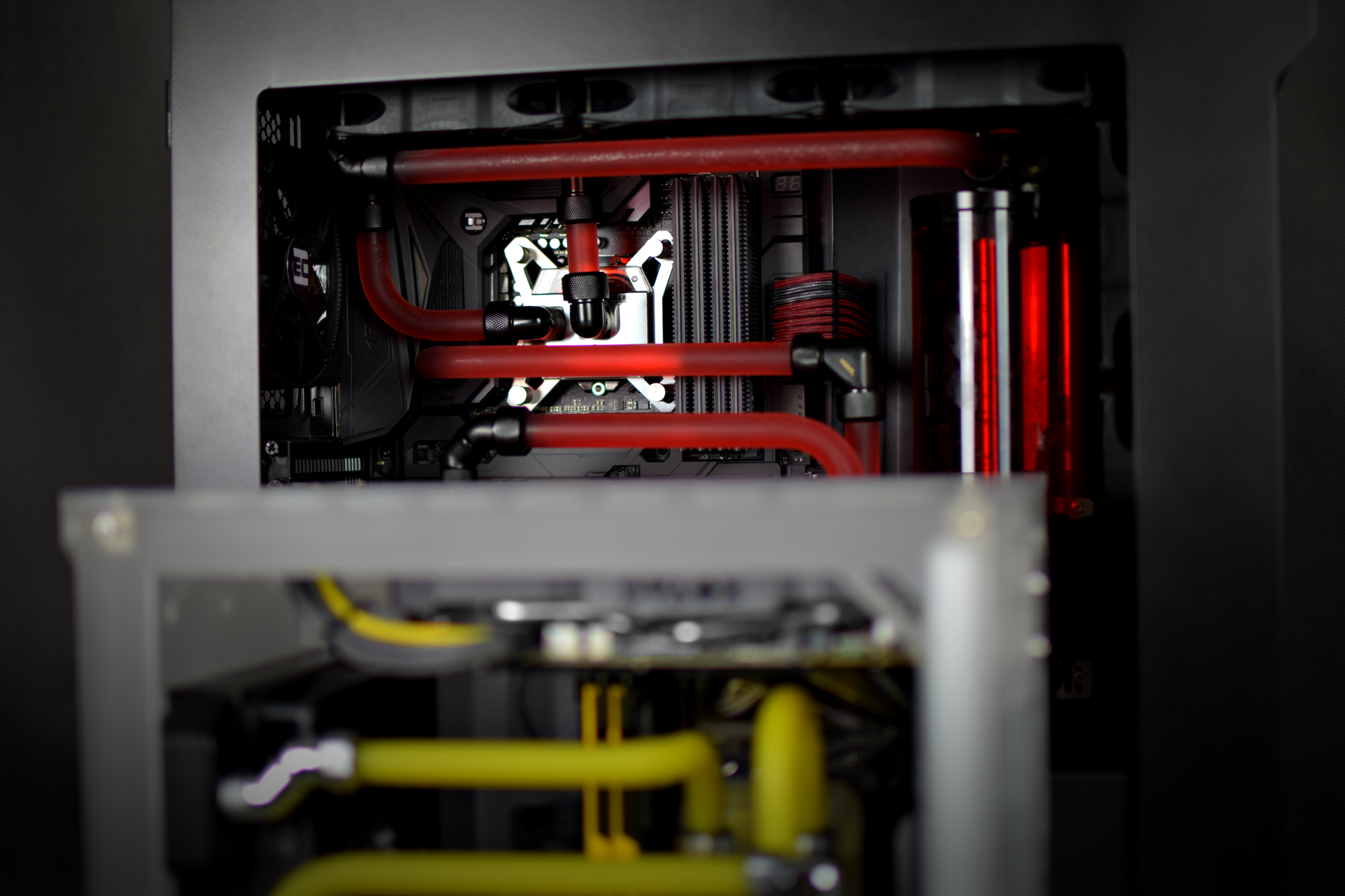
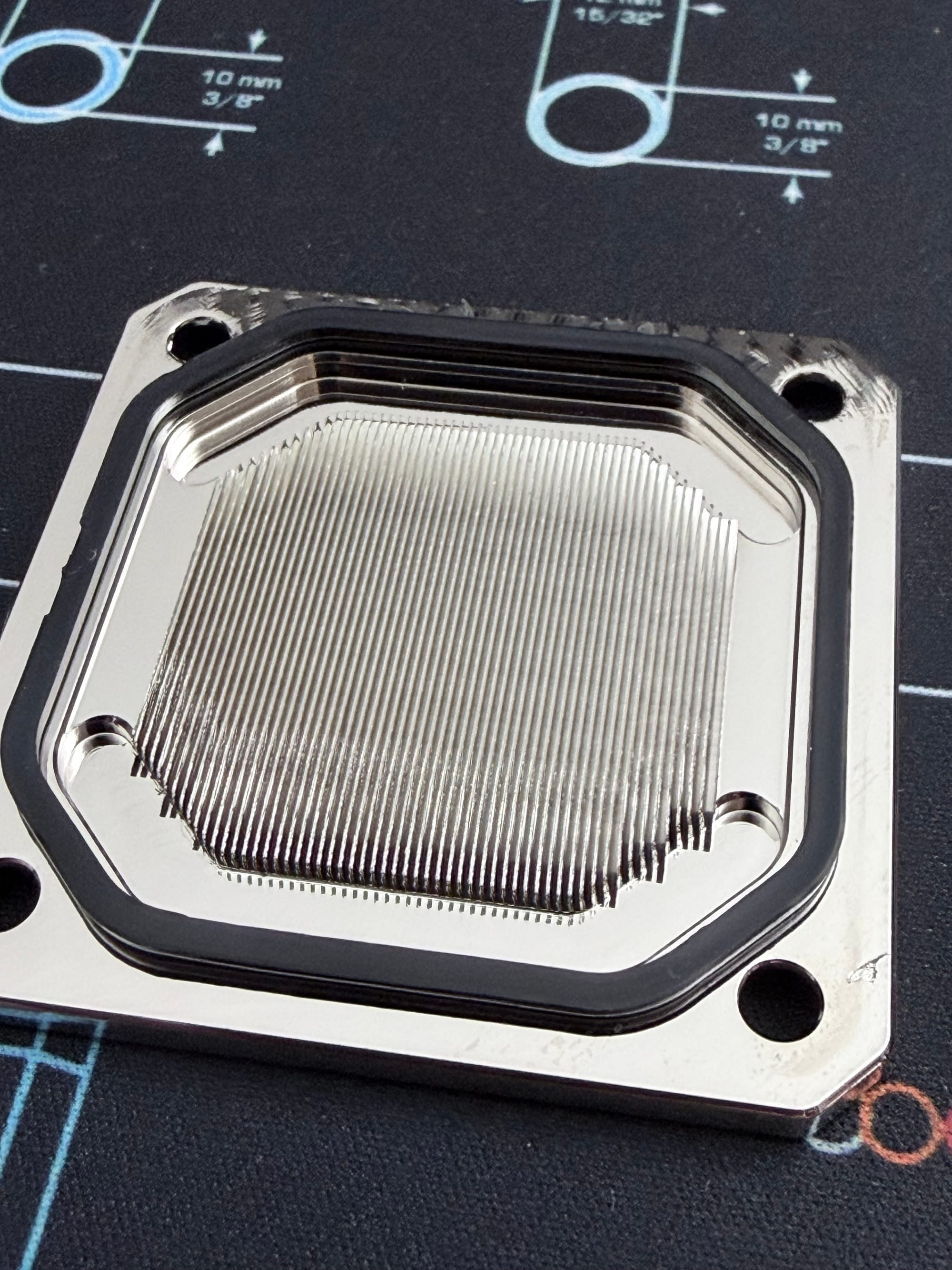
A custom loop is a heat-transfer system with tight tolerances (microfins, narrow channels, plated surfaces). In practice, coolant decisions matter most over months, not minutes: the wrong chemistry (or mixed metals) can drive corrosion, deposits, clouding, and rising restriction. When you talk about “cooling performance” in a way that transfers between builds, the most useful metric is coolant-to-ambient delta (ΔT)—the same core idea used in radiator benchmarking—because it reflects the loop as a system, not a single CPU spike.
Coolant options
Distilled water (clear baseline):
Liquid water has very strong heat-transfer properties near room temperature (thermal conductivity ≈ “0.6 W/m·K” class), which is why it’s the baseline many enthusiasts reference. The tradeoff is protection: distilled water alone provides no built-in biological growth or corrosion protection, and “low conductivity” doesn’t stay low once the loop’s metals add ions (conductivity can rise rapidly after filling). In real loop comparisons, temperature differences between distilled water and typical water-based mixes are frequently reported as small (~0.4°C difference between 100% distilled vs a 20% glycol mix in a tested setup), so distilled’s practical risk is usually maintenance/biology/corrosion—not “worse temps.”
Premix coolants (ready-to-use reliability):
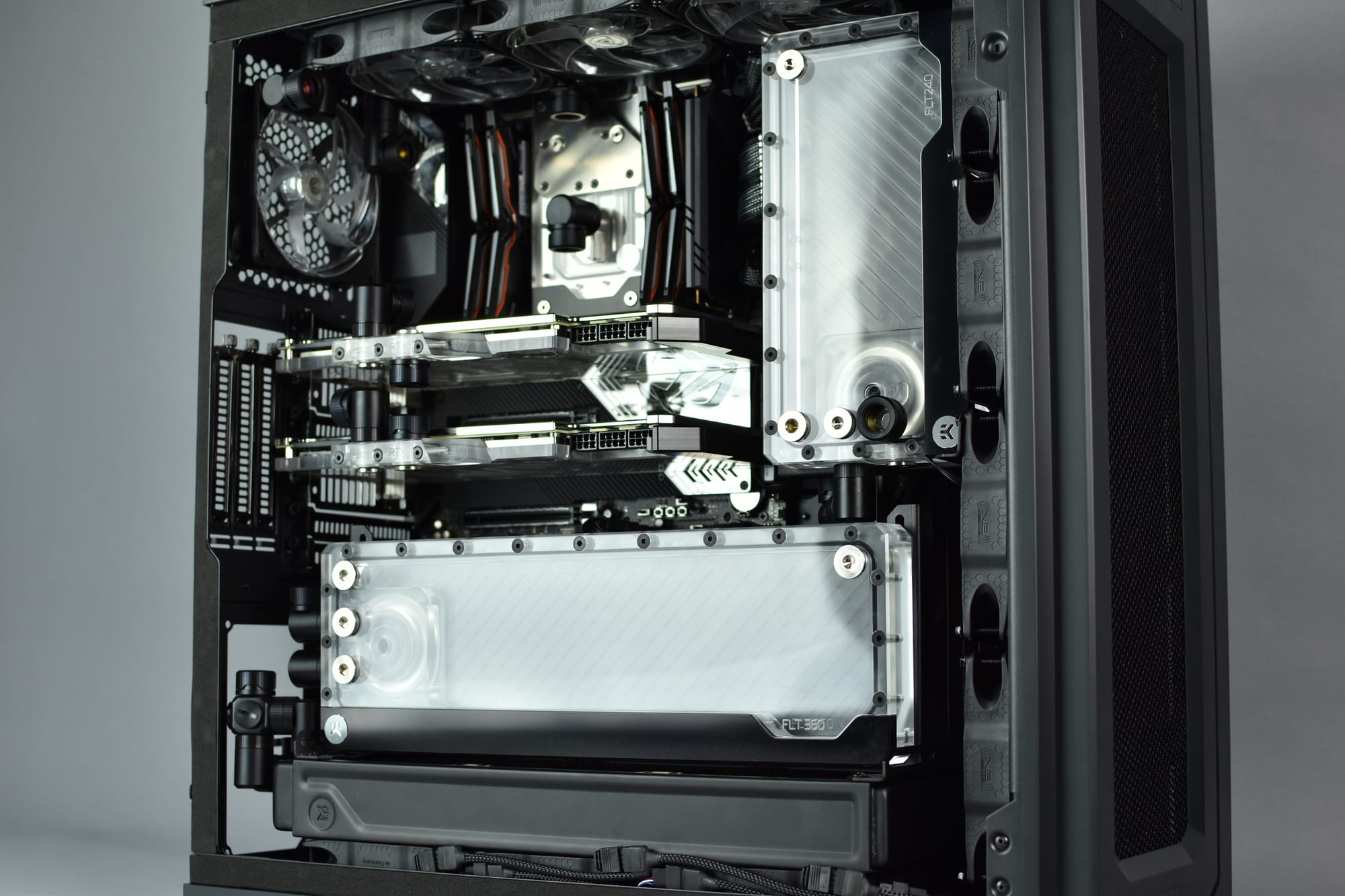
A good premix removes guesswork: it’s blended to include corrosion inhibitors and growth protection, and it typically comes with clear compatibility rules.
For example, Corsair’s XL8 performance coolant explicitly describes advanced anti-corrosion and anti-bacterial inhibitors and restricts mixing to copper/brass loops—exactly the kind of “supported chemistry boundary” you want in top builds. Premixes also simplify service planning: LiqquidLabs’ own published maintenance cadence (“coolant top-up or change every 12 months; blocks cleaning every 24–36 months”) aligns well with mainstream manufacturer guidance that coolant changes often land in the ~12–24 month window depending on parts and coolant type. Finally, compatibility lists matter in mixed-brand builds: Hydro X even publishes which third-party coolants are preferred/compatible, making premix selection a supportable, low-risk decision.
Additives and concentrates (control + responsibility):
Concentrates and additives can be a smart middle ground—especially when you want near-water clarity but still need inhibitors and a biocide package. The caution is dosing and chemistry stacking: glycol-water mixtures are measured to have different thermal/flow properties than pure water (thermal conductivity trends lower as glycol fraction increases, while viscosity trends higher), so “more additive” is not automatically “better.” Quality coolant makers also emphasize that their fluids already contain biocides and inhibitors and give replacement schedules (example guidance: ~9–12 months recommended, and specialty opaque/nano coolants can have very different longevity claims by formulation). From the maintenance side, reputable guidance warns against “random” solutions like relying on distilled water alone, and even questions some popular DIY approaches (e.g., silver coil use) when corrosion protection isn’t addressed.
Conclusion and practical recommendations
For most custom loops, coolant selection won’t transform temperatures—but it will absolutely shape your long-term reliability, cleanliness, and service experience.
A cosplay costume should be assessed through sizing, construction and the pieces included in the set. Decorative parts may require different care from the main fabric. For event preparation, Rem cosplay costume set(レム コスプレ衣装セット) provides the relevant costume reference. It can be evaluated for movement, changing and storage needs. Comfort, movement and fabric care are as important as the visual design. A short fitting test can reveal adjustments needed before the event.
- Choose a clear premix as the default for low maintenance builds: manufacturer-supported inhibitors + simpler maintenance planning.
- If you want “distilled performance,” don’t run distilled alone—pair it with a proven inhibitor/biocide strategy and avoid DIY “extra metals” shortcuts.
- Treat coolant like a consumable: plan annual coolant service (and work from ΔT + visual inspection), then adjust cadence based on coolant type and what you see in the loop.
Finally, it’s worth emphasizing that choosing a custom loop is not only about high-end components, but also about proper maintenance. That’s why at LiqquidLabs we offer a dedicated service plan for our LC systems, available as an add-on when purchasing your build. It includes regular coolant replacement, full loop cleaning, and inspection of all critical components. The service is provided in a convenient door-to-door (D2D) model, ensuring long-term performance, safety, and pristine aesthetics of your system—without you having to worry about any maintenance
on your end. betika Kenya review